The Baltic Assembly (BA) is a consultative cooperation organisation of the parliaments of the three Baltic States which discusses issues of mutual interest.
In 2026, the presidency of the Baltic Assembly is held by Estonia. Our presidency was guided by the idea of a resilient, secure, reliable, and sustainable Baltic region.
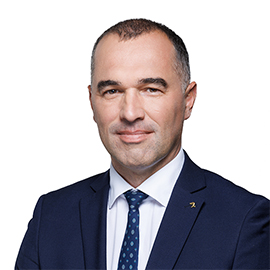
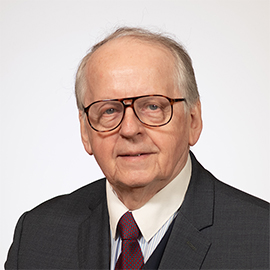
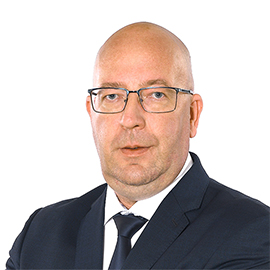
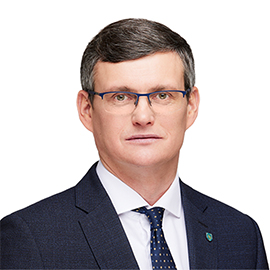
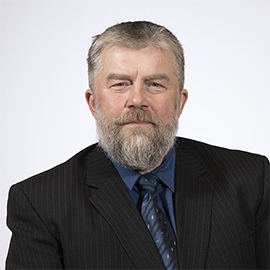
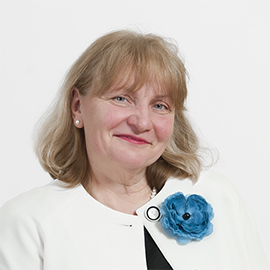
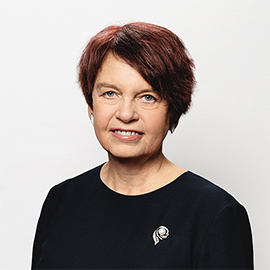
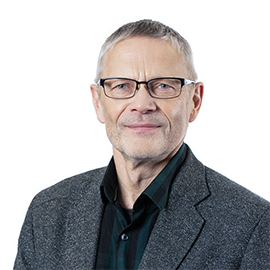
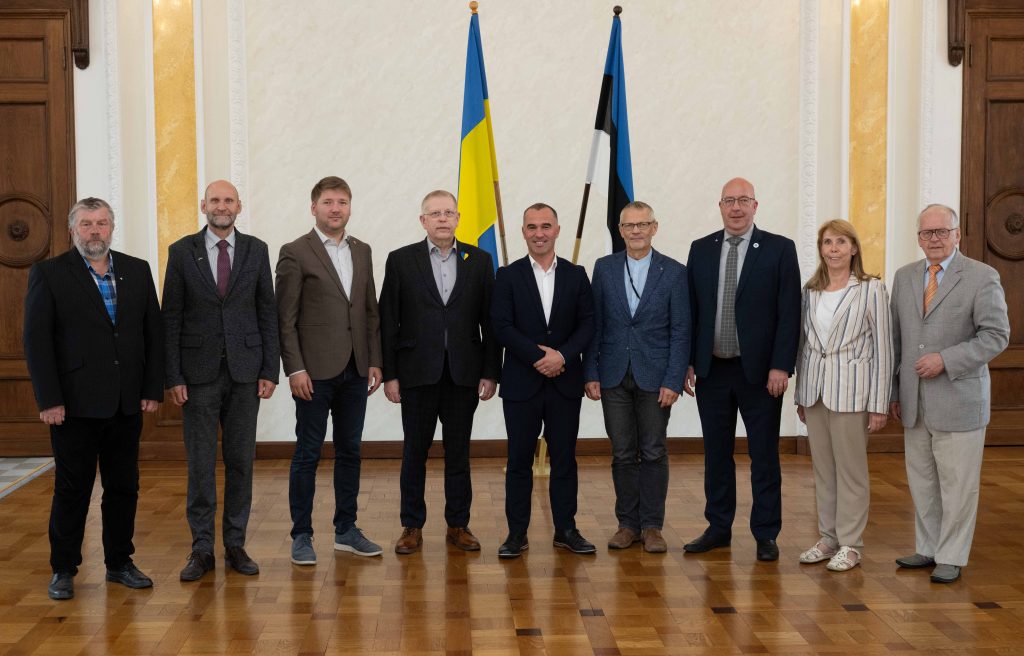
Estonia is represented in the Assembly by a 12-member delegation of the Riigikogu. The task of the Riigikogu delegation to the Baltic Assembly is to express Estonia’s positions in the Presidium of the BA and at international forums. The Delegation has 12 members. The correlation of political forces in the parliament and the need to represent the standing committees of the Riigikogu are taken into account when the delegation is formed.
The official languages of the BA are Estonian, Latvian and Lithuanian. Other languages are used by agreement of the delegations.
The priorities of the Baltic Assembly in 2026:
- A secure and resilient region through coordinated strategies;
- Strong physical, digital, and energy connectivity;
- Innovation-driven regional competitiveness.
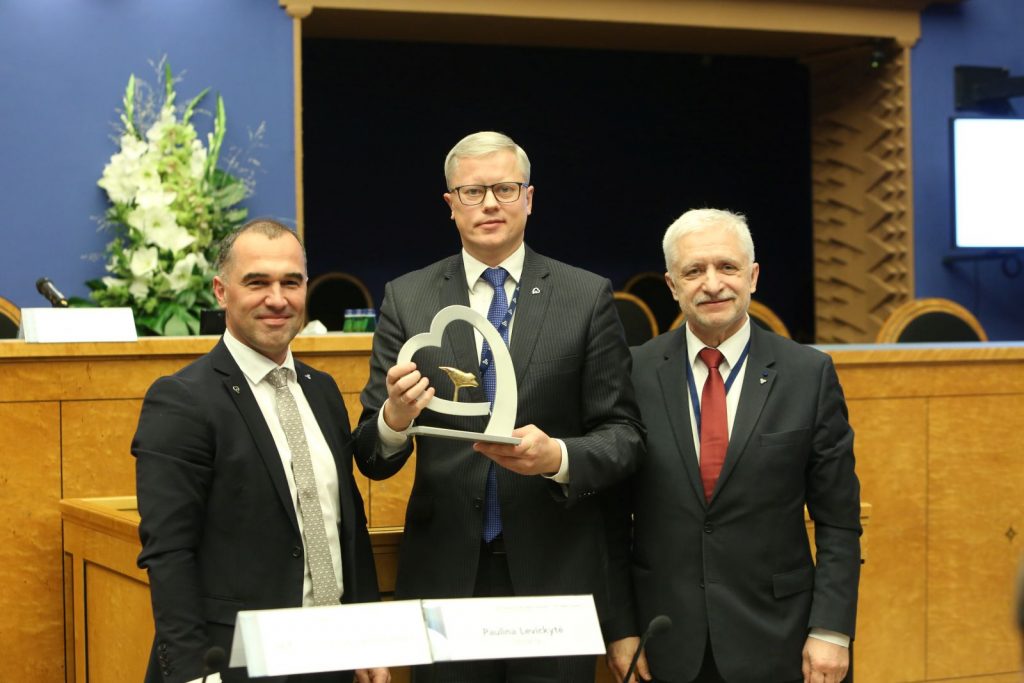
Since 1994, the Baltic Assembly Prizes for notable achievements in literature, arts and science are awarded once a year. Since 2011, also the Baltic Innovation Prize has been awarded.
Baltic Assembly
The Interparliamentary Assembly of the Republic of Estonia, the Republic of Latvia and the Republic of Lithuania, or the Baltic Assembly (BA) was established in Tallinn on 8 November 1991. The BA is a consultative cooperation organisation of the parliaments of the three Baltic States which discusses issues of mutual interest in the Baltic region. The positions of the Assembly are presented to the parliaments and the governments of the Baltic states, as well as to international and regional organisations in the form of communications, proposals and recommendations.
The BA has cooperation agreements with the Nordic Council, Benelux Parliament, and GUAM Parliamentary Assembly. There is also cooperation going on with other regional parliamentary organisations.
The work formats of the Assembly are sessions, meetings of the Presidium and parliamentary seminars of Committees, conferences and round tables. The Presidium meets up to six times a year. Committees hold up to two parliamentary seminars a year. The Session of the Baltic Assembly takes place once a year, usually in the presidency country. The meeting of the Baltic Council of Ministers (BCM) is also held during the Session. The joint meeting of the Baltic Assembly and the BCM is called the Baltic Council. The Session is the top event of the year where summaries of the work done are made and the priority areas of the next presidency are presented.
The work of the BA Presidium is directed by the President and two Vice Presidents. The President is elected from the next presidency country during the Session. Presidency lasts for one year and is held on the principle of rotation. The Secretariat, located in Riga, helps organise the work of the BA.
Committees
Six committees have been formed for the Baltic parliamentary cooperation:
- Security and Defence Committee
- Economics, Energy and Innovation Committee
- Natural Resources and Environment Committee
- Health, Welfare and Family Committee
- Education, Science and Culture Committee
- Budget and Audit Committee
Increasing of agricultural supports, improving the teaching of history in schools, monitoring the preservation of cultural heritage, project of the wholesale purchase of medicinal products, providing of cross-border emergency medical service, equalisation of fishing quotas, publishing of multilingual dictionary, etc. can be considered the greatest achievements of the BA committees.
Cooperation of the Baltic Assembly and the BCM
The cooperation of the Baltic Assembly and the BCM focuses on regional security, cybersecurity cooperation, regional connectivities (energy, transport, digital solutions); climate and environmental issues and cooperation in culture and healthcare. The BA pays particular attention to topics involving several areas at the same time, such as culture management and ecological footprint, waste management, hydrogen technologies, etc. The goal of Baltic cooperation is to find common solutions while respecting the interests of each country.