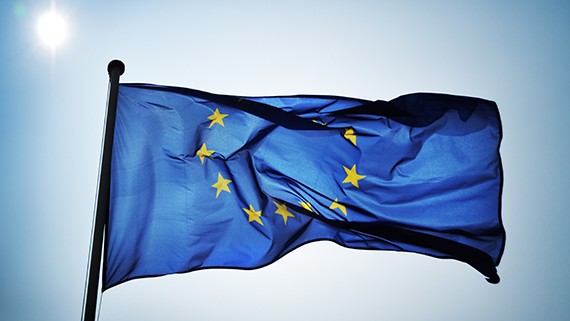
Chair of the Finance Committee of the Riigikogu (Parliament of Estonia) Annely Akkermann and Member of the Finance Committee Riina Sikkut, and Chairman of the Economic Affairs Committee of the Riigikogu Marek Reinaas attend the European Union’s Interparliamentary Conference on Stability, Economic Co-ordination and Governance (SECG) that takes place in Dublin, Ireland, on Thursday and Friday.
The conference’s key topics will focus on the EU economic policy priorities, budgetary frameworks and national reform programs, as well as the impact of energy financing, innovation, and defence spending on the economy. Discussions will also cover the European social model and quality of life, as well as reducing inequalities between regions.
The European Commission has offered Estonia a total of 6.5 billion euros in funding for the European Union’s 2028–2034 budget period, but negotiations between Member States on the collection of EU revenue are just beginning, and the amount may change. Of this amount, around 5.5 billion euros can be divided between different sectors now, this autumn, and according to European Union rules, the remainder must be set aside in a reserve for later planning.
According to Akkermann, a significant increase in security spending has put considerable strain on national budgets. “The exemption clause for the state budget deficit limit allows the deficit to be increased to 4.5 percent of GDP. Although this allows to increase in defence spending faster, it just buys time to bring the increased defence spending in line with the existing 3 percent limit by 2030,” Akkermann said. She added that high level of energy and fuel prices on the global market had triggered a chain reaction that was affecting the budgets of all countries and forcing consumer prices to rise.
Sikkut noted that responsible fiscal policy and the creation of the fiscal space needed to respond to crises were essential. “At the same time, while improving their fiscal positions, all Member States must continue to prioritise investments in human capital – in education, retraining, healthcare and social welfare – to enhance competitiveness and improve the future prospects of the European economy,” Sikkut said. She referred to an analysis of the European Commission that identified socioeconomic risks in Member States; in the case of Estonia, it had highlighted the proportion of people at risk of poverty, income inequality and unmet healthcare needs as areas of concern.
Reinaas considers it important that during the budget period, the European Union funds are directed primarily to boosting Estonia’s economic growth and strengthening its security. According to Reinaas, it is necessary to create incentives for the growth of competitive economy and conditions for the development of export. “Economic development and export capacity form the basis for improving the financial situation of countries,” Reinaas said. He added that when allocating funds for economic development and establishing rules, the European Union must take into account the specific characteristics of Member States.
The Interparliamentary Conference on Stability, Economic Coordination and Governance (IPC-SECG) is an interparliamentary forum of the European Union, which was established in 2013. It aims to improve parliamentary cooperation and ensure democratic accountability and transparency in the area of economic governance in the EU, particularly in the Economic and Monetary Union (EMU) and fiscal policy.
The Conference is founded on the provisions of the Treaty on Stability, Coordination and Governance, or the fiscal agreement, and provides a framework for debate and exchange of information and best practices.
The Conference takes place twice a year. During the first half of the year, it is usually held in Brussels (in the framework of the European Parliamentary Week), and it is co-chaired by the European Parliament and the Presidency of the Council of the European Union. During the second half of the year, it is hosted by the current Presidency parliament. The Conference is attended by delegations of the parliaments of Member States and the European Parliament.
Traditionally, the parliamentary committees dealing with the budget and financial issues as well as with economic and social issues are represented.